From Cupboard to Complexion: What Research Really Shows

Skincare success favors mechanisms, consistency, and context over miracles. Here, we interpret findings about pantry-based ingredients by focusing on concentrations, contact time, formulation style, and realistic outcomes. You will see how anti-inflammatory compounds, humectant behavior, and antioxidant protection translate into calmer complexions without unrealistic claims. Expect nuance, measurable expectations, and practical tips for fitting household materials into routines that respect the skin barrier and work alongside, not against, your current products.

Honey’s Multifunctional Matrix

Honey acts as a humectant, drawing moisture into the stratum corneum, while enzymes and low water activity help discourage certain microbes. Studies, especially around medical-grade and manuka varieties, note wound-supportive and soothing properties, although kitchen honey varies. Thin, short applications are smarter than thick, long sessions to reduce stickiness and irritation risk. Patch testing remains essential, and regular cleansing afterward maintains balance. Used thoughtfully, honey can comfort dry, reactive skin without replacing targeted treatments.

Oats and the Barrier Story

Colloidal oatmeal provides beta-glucan and avenanthramides, compounds associated with calming itchiness and improving barrier comfort. Dermatology literature supports its role in soothing sensitive, dry, or eczematous skin when used as soaks, rinses, or adjunctive masks. Texture matters: finely milled oatmeal reduces abrasion and rinses cleaner. Combine with lukewarm water, keep contact brief, and follow with a bland moisturizer. Expect gentler mornings and fewer flare-ups, not overnight transformations. Consistency and moderation help deliver the steady comfort oat enthusiasts celebrate.

Green Tea’s Catechin Power

Green tea, rich in EGCG and related catechins, offers antioxidant support, potential redness reduction, and mild sebum-balancing effects. In studies, catechins can help mitigate oxidative stress related to UV exposure and urban pollution, complementing—not replacing—broad-spectrum sunscreen. A cooled, brewed compress is practical, comfortable, and budget-friendly. Avoid sugary instant mixes and strong essential oil additions. Regular, mindful use can contribute to a calmer look and slightly improved texture over time, particularly when paired with diligent sun protection and gentle cleansing.

Safety First: Patch Tests, Allergies, and Kitchen Hygiene

The safest skincare begins with smart caution. Pantry items vary by brand, freshness, and storage, so maintain cleanliness, dilute thoughtfully, and minimize contamination. Patch test new mixtures on a discreet area for several days before wider use. People with pollen, nut, dairy, or spice sensitivities should be extra careful. Some ingredients increase photosensitivity or irritation risk, especially when combined with acids or retinoids. Respect the barrier, avoid broken skin, and stop immediately if burning, swelling, or unusual discomfort occurs.

Citrus and Photosensitivity

Lemon and other citrus juices are acidic and can be phototoxic due to furocoumarins, increasing sensitivity to sunlight and potential for irritation. While they seem clarifying, the pH can disrupt the acid mantle if used straight. If you experiment, heavily dilute, restrict to short rinse-off contact, and never apply before sun exposure. Many find better brightening results with gentler options, like yogurt’s lactic acid or green tea compresses. Sunscreen, hats, and patience remain essential partners in any routine.

Spices, Fragrance, and Irritation

Cinnamon, clove, and fragrant spices can trigger burning, redness, or contact dermatitis, especially in sensitive skin or when left on too long. Essential oils add additional risk, given high concentrations and potential allergens. Instead, favor soothing ingredients like oats or carefully diluted honey for calm, short sessions. When curiosity strikes, first patch test for several days, use minimal amounts, and limit frequency. Comfort should guide choices. Healthy skin rarely needs dramatic sensations to show meaningful improvement over time.

Raw Ingredients and Microbes

Raw egg, unpasteurized dairy, and other minimally processed foods can introduce microbial risks that have no place in facial care. Even clean kitchens harbor contamination sources. Prefer pasteurized yogurt, freshly brewed tea, and sealed honey jars, and mix small batches you will immediately use. Clean bowls, washed hands, and non-metal spoons help reduce unwanted variables. If breakouts, stinging, or unusual odors appear, discard and reset. Safety practices ensure any benefits come without preventable complications or unpleasant surprises.

Crafting at Home: pH, Texture, and Contact Time

Successful DIY routines balance acidity, viscosity, and exposure length. The skin’s acid mantle prefers mildly acidic conditions, so extreme alkalinity or undiluted acids can disrupt comfort. Finely milled textures reduce abrasion, easing rinse-off and maintaining barrier integrity. Favor short, rinse-off applications to explore responses gradually. Combine soothing elements with straightforward moisturizers, and avoid complicated multi-ingredient cocktails. Track how skin feels days later, not minutes after rinsing. Thoughtful iteration beats dramatic experiments, helping you build steady, evidence-aligned habits.

Mind the Acidity

Apple cider vinegar must be significantly diluted, since strong acids can sting, discolor, or disrupt the barrier. Yogurt’s lactic acid offers gentler exfoliation, especially when used as a short, rinse-off treatment. Aim for comfort, not tingling. Pair acidic experiments with fragrance-free moisturizers, and avoid layering alongside strong actives the same day. Measure improvement by softness, smoothness, and fewer flare-ups rather than instant shine. Respecting pH helps skin maintain flexible resilience, particularly during seasonal changes, travel, or increased indoor heating.

Humectants vs. Occlusives

Honey and glycerin draw water into the outer layer, while oils and petrolatum slow water loss. Together, they can improve feel and plumpness when balanced sensibly. Keep the humectant layer light and brief, then lock in with a simple occlusive if your climate is dry. If humidity is high, lean lighter to prevent tackiness. Observe morning texture, midday shine, and evening comfort to tweak ratios. This experiment helps you refine hydration without overwhelming pores or leaving persistent residue.

Myth Busting: What to Skip, What to Modify

Not every household item belongs on your face. Some disrupt the barrier, scratch the surface, or increase sensitivity without any upside. By understanding mechanisms—pH, particle size, and irritation potential—you can confidently avoid common pitfalls and choose safer alternatives. Skip abrasive scrubs, extreme alkalinity, and undiluted acids. Favor brief, diluted, soothing treatments that rinse clean. Your future self will thank you with fewer setbacks and steadier glow, built on patience and well-chosen, science-aware decisions.

Simple, Tested Rituals You Can Start Tonight
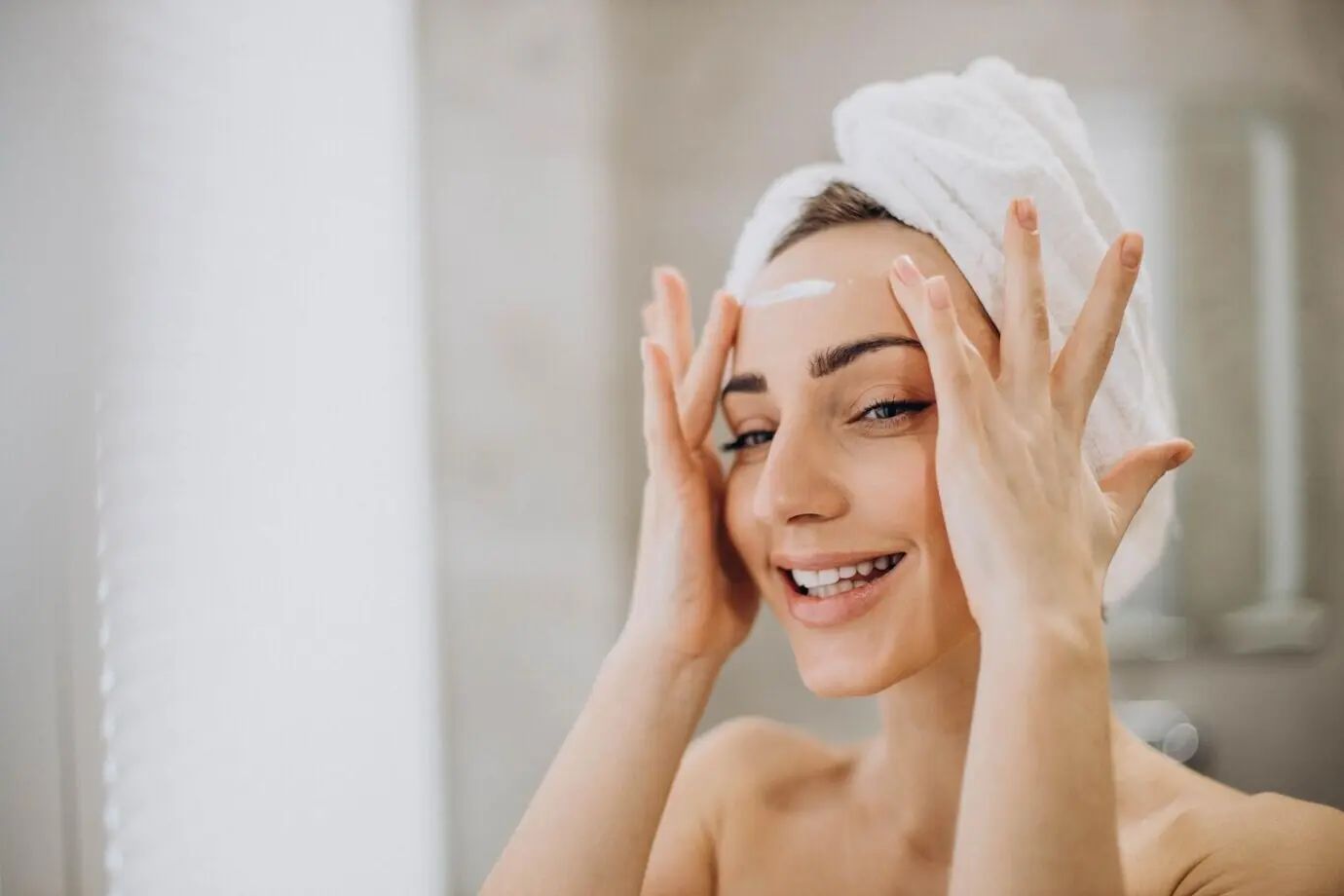
Small, repeatable steps build reliable results. These quick, rinse-off rituals rely on ingredients studied for comfort and antioxidant support. Keep sessions brief, track how your skin feels over several days, and avoid combining multiple new ideas at once. Use lukewarm water, gentle pressure, and clean tools. Afterwards, apply a straightforward moisturizer and, in daylight hours, sunscreen. If your skin is reactive, stretch rest days between sessions. Gradual improvements feel unremarkable in the moment yet add up beautifully over time.
Blend finely milled colloidal oatmeal with warm water into a thin slurry, then swirl in a small amount of honey. Apply as a soft layer for three to five minutes, avoiding the eye area. Rinse gently, pat dry, and follow with a bland moisturizer. Expect calmer feel and subtle softness without lingering stickiness. Repeat once or twice weekly, observing reduction in midday prickliness. If sensitivity appears, pause, patch test again, and dilute further until your skin responds with quiet comfort.
Brew green tea, cool completely, and soak clean cotton pads. Rest them on cheeks and forehead for several minutes after outdoor exposure, then moisturize. This simple practice provides antioxidant support and a comforting ritual that pairs well with sunscreen habits. Choose unsweetened tea, avoid essential oils, and discard leftovers daily. Over weeks, you may notice less morning redness and slightly more refined texture. Remember, this complements broad-spectrum sunscreen rather than replacing it, especially during bright midday hours or reflective environments.
Use plain, pasteurized yogurt for a mild lactic acid boost and soothing proteins. Apply a thin layer for three minutes, then rinse thoroughly and moisturize. Start once weekly to gauge tolerance, increasing only if skin remains calm. Expect gentle smoothness rather than drastic exfoliation. Pair with fragrance-free products and skip additional acids that day. If tightness or tingling persists, shorten contact time or dilute with oatmeal slurry. Steady, careful steps allow your skin to enjoy comfort without unnecessary drama.

When Kitchen Care Meets Dermatology

Household ingredients can support comfort, but they are not substitutes for medical care. If you experience persistent acne, eczema flares, or post-inflammatory hyperpigmentation, consult a professional. Dermatologists can tailor prescriptions while encouraging gentle, supportive rituals at home. Bring notes about your experiments, reactions, and environment. Together, you can simplify routines, identify triggers, and prioritize protection. Thoughtful collaboration turns curiosity into long-term resilience, joining evidence-based prescriptions with practical, soothing pantry strategies that respect your daily life and budget.

Join the Conversation and Share Your Experiments

Your experience helps others navigate safely and confidently. Share what you tried, how you diluted it, contact time, and how your skin felt days later. Ask questions, swap ideas, and report cautionary tales kindly so we all learn. Subscribe for evidence-guided updates and seasonal tips that fit real schedules and budgets. Together, we can keep routines minimal, comfortable, and effective—celebrating small wins that last longer than any viral trick.
Theherbalplant
Privacy Overview

This website uses cookies so that we can provide you with the best user experience possible. Cookie information is stored in your browser and performs functions such as recognising you when you return to our website and helping our team to understand which sections of the website you find most interesting and useful.